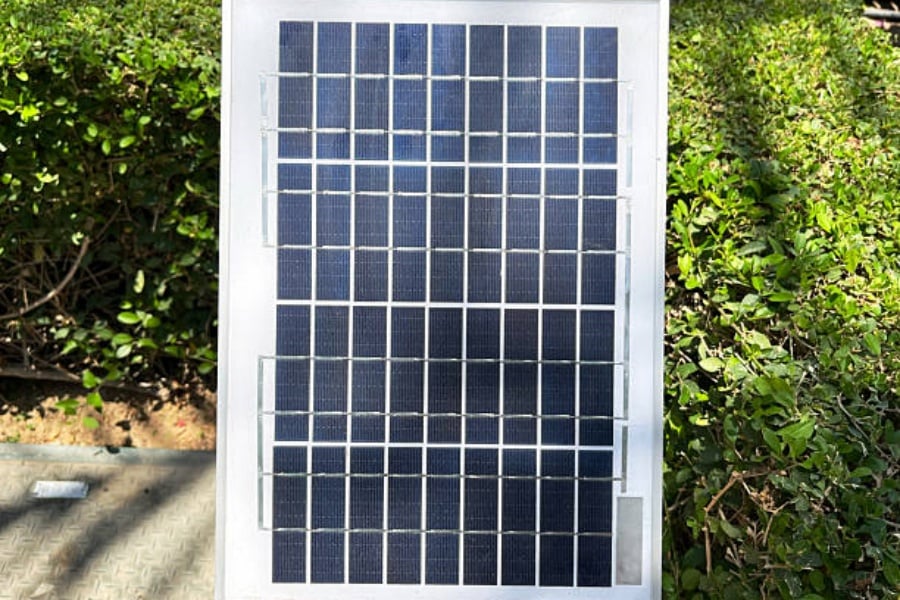
Monocrystalline solar panels are composed of single-crystal silicon, recognized for their high efficiency and longevity. These panels are manufactured from pure silicon ingots, which are sliced into thin wafers. The uniform crystal structure allows for superior electron mobility, making monocrystalline solar panels a popular choice for both residential and commercial solar power systems.
Superior Energy Efficiency Compared to Alternatives
One of the hallmark features of a monocrystalline solar panel is its exceptional energy conversion efficiency. Typically, these panels convert between 17% and 22% of sunlight into electricity, outperforming polycrystalline and thin-film solar panels. Their efficiency stems from the higher purity of silicon and better electron flow, allowing them to generate more power in less space.
Longevity and Durability That Lasts Decades
Durability is a key advantage of monocrystalline solar panels. These panels typically come with warranties spanning 25 years or more, reflecting their long operational lifespan. The dense silicon structure lends resistance to environmental stressors such as heat, humidity, and mechanical wear, ensuring reliable energy production over time.
Space Efficiency for Limited Roof Areas
Due to their higher efficiency, monocrystalline solar panels require less surface area to produce the same amount of electricity compared to other types. This characteristic is especially beneficial for homes or businesses with limited roof space. By installing monocrystalline solar panels, users maximize energy output without expanding the physical footprint of the solar array.
Technology Behind Monocrystalline Panels
The production process begins with growing a single, cylindrical silicon crystal, known as the Czochralski method. This crystal is then sliced into thin wafers, carefully polished, and assembled into solar cells. The purity of the silicon and the precise manufacturing techniques minimize energy loss, contributing to the panel’s high performance.
Environmental Benefits of Using Monocrystalline Solar Panels
Choosing a monocrystalline solar panel promotes sustainable energy production by reducing reliance on fossil fuels. Their high efficiency means less energy waste, enabling cleaner electricity generation. Additionally, silicon is abundant and recyclable, making these panels an environmentally friendly investment in renewable energy.
Cost Considerations and Return on Investment
While monocrystalline solar panels generally have a higher upfront cost compared to other panel types, their efficiency and durability offer a strong return on investment. The ability to generate more power over time translates into greater energy savings and quicker payoff periods, making them cost-effective in the long term.
Performance in Different Climate Conditions
Monocrystalline solar panels perform well across a variety of environmental conditions. They tend to maintain higher efficiency in low-light scenarios and high-temperature environments compared to other solar technologies. This adaptability ensures consistent power generation regardless of geographic location or weather variability.
Integration with Modern Solar Systems
These panels exhibit excellent compatibility with advanced solar technologies, including microinverters and smart energy management systems. Their consistent output allows for better system monitoring and optimization, enhancing overall energy yield in residential and commercial solar installations.
Future Trends and Innovations
Research continues to improve monocrystalline solar panels by increasing their efficiency and reducing manufacturing costs. Emerging technologies, such as bifacial cells and passivated emitter rear contact (PERC) design, are being incorporated to further enhance performance. The ongoing evolution of monocrystalline solar panels promises more efficient, affordable, and versatile solar energy solutions.
Quote Inquiry
contact us