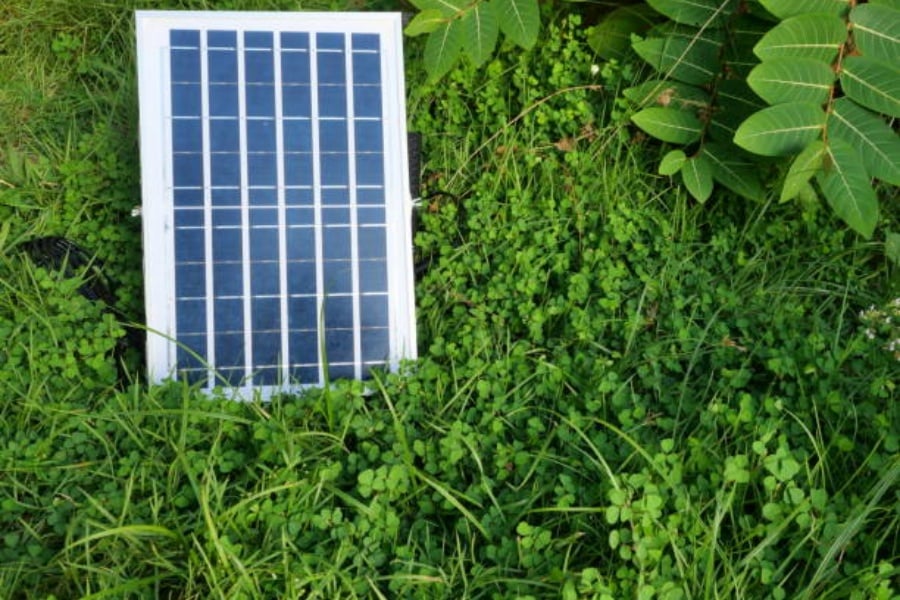
Mono crystalline solar panels, also known as single-crystal panels, are made from a single continuous crystal structure. This design enables electrons to move more freely, resulting in higher efficiency and better performance compared to other types of solar panels. Their distinct dark black appearance distinguishes them from polycrystalline panels, and they are commonly used in residential and commercial solar energy systems.
Superior Efficiency and Energy Output
One of the key advantages of a mono crystalline solar panel is its high efficiency rating, often ranging between 15% to 22%. This means it converts a larger portion of sunlight into usable electricity. The superior purity of silicon used in mono crystalline panels reduces energy loss and ensures maximum power generation, especially beneficial in limited roof spaces or areas with less direct sunlight.
Durability and Longevity in Harsh Conditions
Mono crystalline solar panels are known for their durability. They typically come with warranties spanning 25 years or more, reflecting their long lifespan. These panels resist performance degradation caused by extreme weather conditions such as high heat, heavy snow, or strong winds, making them ideal for various climates worldwide.
Compact Design and Space Efficiency
Due to higher efficiency, mono crystalline solar panels require less surface area to produce the same amount of electricity as other solar technologies. This compact design is especially advantageous for homeowners or businesses with limited installation space, enabling them to maximize energy production within a smaller footprint.
Environmental Impact and Sustainability
The manufacturing process of mono crystalline solar panels demands significant silicon refinement, which can affect its environmental footprint. However, their longer lifespan and higher efficiency contribute to a reduced carbon footprint over time. Additionally, advances in recycling technologies are improving the sustainability of mono crystalline solar panels at the end of their operational life.
Cost Analysis and Return on Investment
Mono crystalline solar panels often carry a higher initial cost compared to polycrystalline and thin-film alternatives. However, their efficiency and longevity contribute to a better return on investment by reducing electricity bills and increasing the overall energy yield. Incentives and tax credits in many regions also help mitigate upfront expenses.
Installation Flexibility and Compatibility
Available in various sizes and wattages, mono crystalline solar panels offer high compatibility with multiple mounting systems, including rooftop installations, ground mounts, and solar trackers. Their adaptability allows seamless integration into diverse solar projects, from small residential arrays to large-scale commercial farms.
Performance Under Low Light and Temperature Variations
Mono crystalline solar panels exhibit better performance in low light conditions such as cloudy days or early mornings. Their high-quality silicon allows them to maintain energy production despite temperature fluctuations, performing efficiently even when ambient temperatures exceed standard test conditions.
Technological Innovations and Future Trends
Continuous improvements in manufacturing techniques and materials are pushing the boundaries of mono crystalline solar panel efficiency. Developments like bifacial designs, PERC (Passivated Emitter Rear Cell) technology, and heterojunction cells are enhancing power output and reducing costs, signaling a strong future for this solar technology.
Common Applications and Market Adoption
Mono crystalline solar panels are widely adopted across various sectors due to their reliable performance. They are preferred in residential rooftop systems, commercial installations, off-grid energy solutions, and even in solar-powered electric vehicles. Their proven efficiency and durability make them a trusted choice for long-term sustainable energy projects worldwide.
Quote Inquiry
contact us