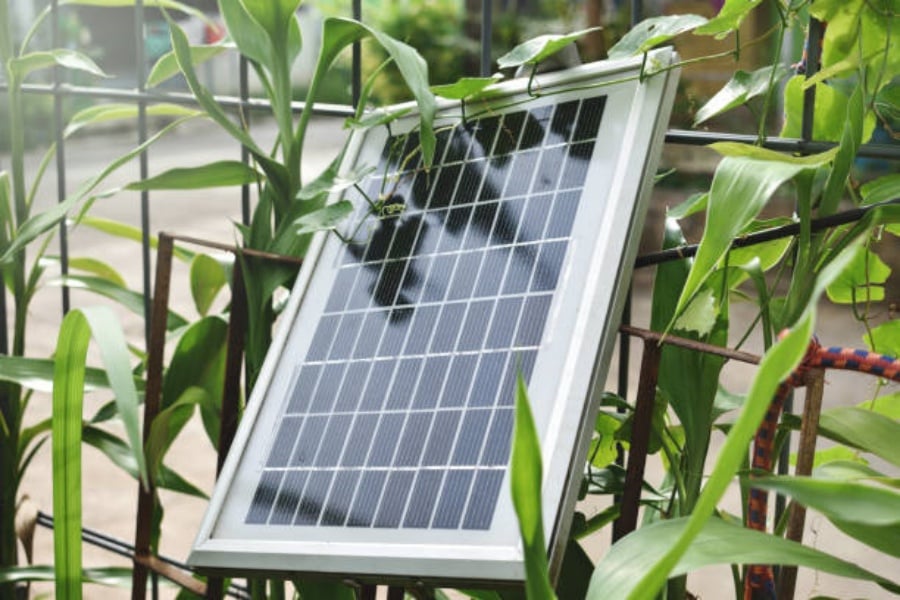
High efficiency mono solar panels are photovoltaic modules made primarily from monocrystalline silicon, designed to convert sunlight into electricity with superior efficiency rates. Unlike polycrystalline panels, these solar panels feature a uniform crystal structure that allows for better electron flow, resulting in higher power output. This makes them particularly suitable for applications where space is limited, as they generate more electricity per square meter.
Technological Advances Behind High Efficiency Mono Solar Panels
Recent innovations in the manufacturing process, such as passivated emitter rear contact (PERC) technology and bifacial designs, have significantly boosted the efficiency of mono solar panels. Enhanced light absorption, reduced electron recombination, and improved cell structure all contribute to achieving efficiency levels exceeding 22%, setting a new industry standard. Continuous upgrades ensure these panels remain a top choice among solar energy systems.
Energy Output and Performance Benefits
High efficiency mono solar panels offer greater energy output under identical conditions compared to other solar panel types. This superior performance ensures faster return on investment (ROI) for residential and commercial solar installations. Their ability to maintain consistent energy production even in low-light or partially shaded environments further increases the reliability of solar power systems.
Durability and Longevity in Various Climates
Monocrystalline solar panels are renowned for their robust construction and long lifespan, often exceeding 25 years of efficient operation. High efficiency mono solar panels maintain peak performance even in harsh climates, including high temperatures and heavy rainfall. Their durable tempered glass and corrosion-resistant frames make them suitable for diverse geographic locations.
Space Efficiency and Installation Advantages
Due to their higher power density, high efficiency mono solar panels require less roof or ground space for the same electricity output compared to lower efficiency panels. This advantage is crucial for urban environments or installations with restricted space. Additionally, their sleek black appearance enhances aesthetic appeal, making them a preferred option for residential rooftops.
Environmental Impact and Sustainability
Using high efficiency mono solar panels reduces the carbon footprint associated with energy generation by maximizing clean energy production from a smaller material footprint. Their long operational life means less waste and lower environmental impact compared to conventional energy sources. Furthermore, improvements in manufacturing processes have minimized the use of hazardous materials, promoting greener solar technology.
Cost Considerations and Economic Viability
Although initially more expensive than polycrystalline alternatives, the higher efficiency of mono solar panels leads to greater energy savings and lower installation costs per watt over time. As production scales up and technology advances, prices continue to decrease, making high efficiency mono solar panels increasingly accessible for both homeowners and businesses investing in renewable energy.
Integration with Modern Solar Systems
High efficiency mono solar panels seamlessly integrate with modern solar inverters, energy storage solutions, and smart energy management systems. Their consistent voltage and current characteristics improve system stability and simplify design considerations. This compatibility enhances the overall efficiency and flexibility of renewable energy installations, supporting grid stability and off-grid applications alike.
Applications Across Residential, Commercial, and Industrial Sectors
The versatility of high efficiency mono solar panels allows their use in diverse settings, from powering residential homes to supporting large-scale commercial and industrial energy needs. Their ability to deliver high output from compact footprints makes them ideal for rooftops, solar farms, and hybrid systems combining solar with other renewable technologies.
Future Trends and Innovations in High Efficiency Mono Solar Panels
Looking ahead, research is focused on pushing the efficiency limits even higher through tandem solar cells, advanced coatings, and enhanced light trapping mechanisms. Innovations like bifacial mono solar panels and perovskite-silicon hybrids promise to further revolutionize solar energy generation. As these advancements reach commercial viability, the prominence of high efficiency mono solar panels is expected to grow, driving global solar adoption.
Quote Inquiry
contact us