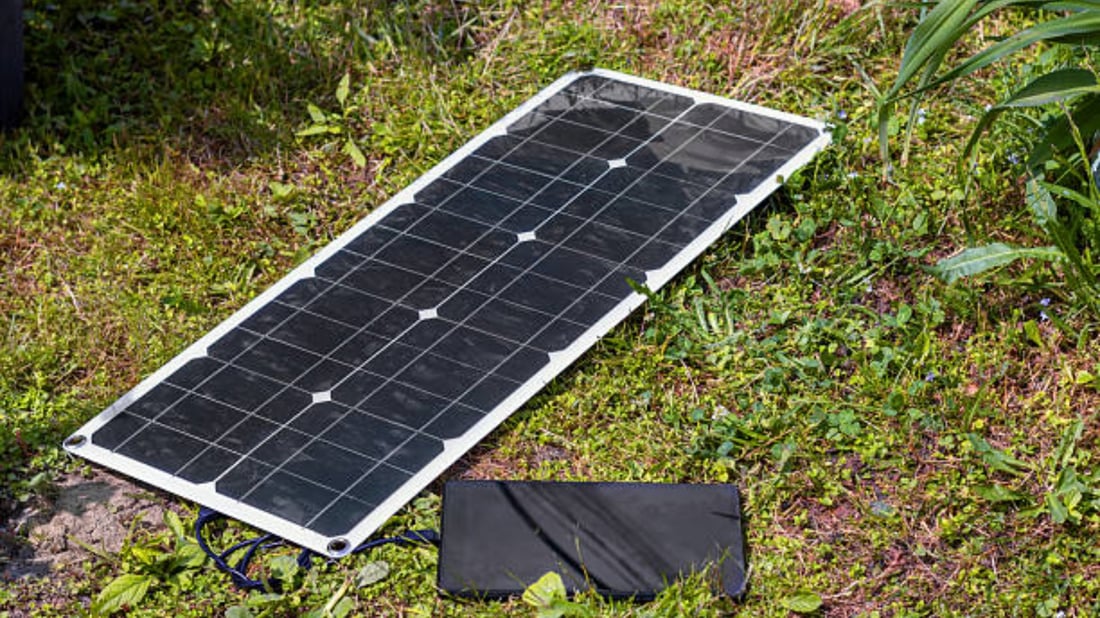
Flexible solar panels with a 50W capacity represent a significant advancement in solar energy technology. Unlike traditional rigid panels, these flexible units are constructed with thin-film or amorphous silicon materials, allowing them to bend and conform to various surfaces. This 50W model offers a perfect balance between portability and power output, making it increasingly popular for small-scale solar applications in diverse environments.
Portability and Lightweight Design
One of the most notable benefits of a flexible solar panel 50W is its portability. Typically weighing less than 2 kilograms, these panels can be easily carried in backpacks or vehicles, ideal for outdoor enthusiasts and remote workers. Their slim and lightweight design ensures minimal bulk, enabling users to transport and deploy solar power where traditional panels would be inconvenient or impractical.
Durability and Weather Resistance
Flexible solar panel 50W units boast exceptional durability due to their rugged construction and materials such as ETFE coating. These panels are designed to withstand harsh weather conditions including rain, wind, and even light impacts. The flexibility feature means they are less prone to cracking under pressure, enhancing their lifespan compared to glass-based rigid panels.
Wide Range of Applications
The adaptability of a flexible solar panel 50W makes it suitable for various applications. From providing energy for RVs, camping, and marine vessels to powering outdoor security systems and remote sensors, its versatility is unmatched. The panel’s ability to be mounted on curved or uneven surfaces opens new opportunities for off-grid solar harnessing that traditional panels cannot easily achieve.
Efficient Energy Production in Limited Spaces
With a 50W capacity, these flexible solar panels optimize space without sacrificing energy efficiency. Their slim profile allows installation on surfaces where space is restricted, such as boat decks, backpacks, tents, or vehicle roofs. Despite their compact design, these panels can generate sufficient electricity to charge devices, power small appliances, or supplement battery systems.
Ease of Installation and Integration
Flexible solar panel 50W systems are designed for straightforward installation. They often come with peel-and-stick adhesives or mounting holes that simplify attachment to various surfaces. Additionally, these panels integrate seamlessly with portable solar kits or battery setups, often featuring MC4 connectors for quick connection, facilitating hassle-free use for both beginners and experienced users.
Cost-Effectiveness in Solar Solutions
While flexible solar technology traditionally had higher costs than rigid panels, the prices for flexible solar panel 50W models have become increasingly competitive. Considering their longevity, portability, and reduced installation costs, these panels present a cost-effective alternative for those seeking solar energy solutions without the complexity or expense of fixed solar arrays.
Compatibility with Battery Storage Systems
A flexible solar panel 50W is ideal for charging lithium-ion and lead-acid batteries, making it a reliable source for off-grid power systems. Its consistent 50W output can maintain battery charge levels effectively, ensuring devices and systems remain operational during extended outdoor excursions or in remote locations where grid power is unavailable.
Environmental Benefits and Sustainability
Using a flexible solar panel 50W contributes to reducing carbon footprints by harnessing renewable solar energy. Its lightweight materials require less raw material and energy for manufacturing compared to traditional panels. The panel’s adaptability also promotes sustainable living practices by enabling clean power access in various settings—from homes and vehicles to emergency kits—thus fostering wider adoption of green technology.
Future Trends and Innovations
The market for flexible solar panels, including 50W models, is constantly evolving with advances in photovoltaic materials and manufacturing processes. Emerging trends focus on increasing efficiency, improving flexibility without compromising durability, and integrating smart features like embedded trackers and IoT connectivity. These innovations aim to expand the utility and convenience of flexible solar power for consumers worldwide.
Quote Inquiry
contact us