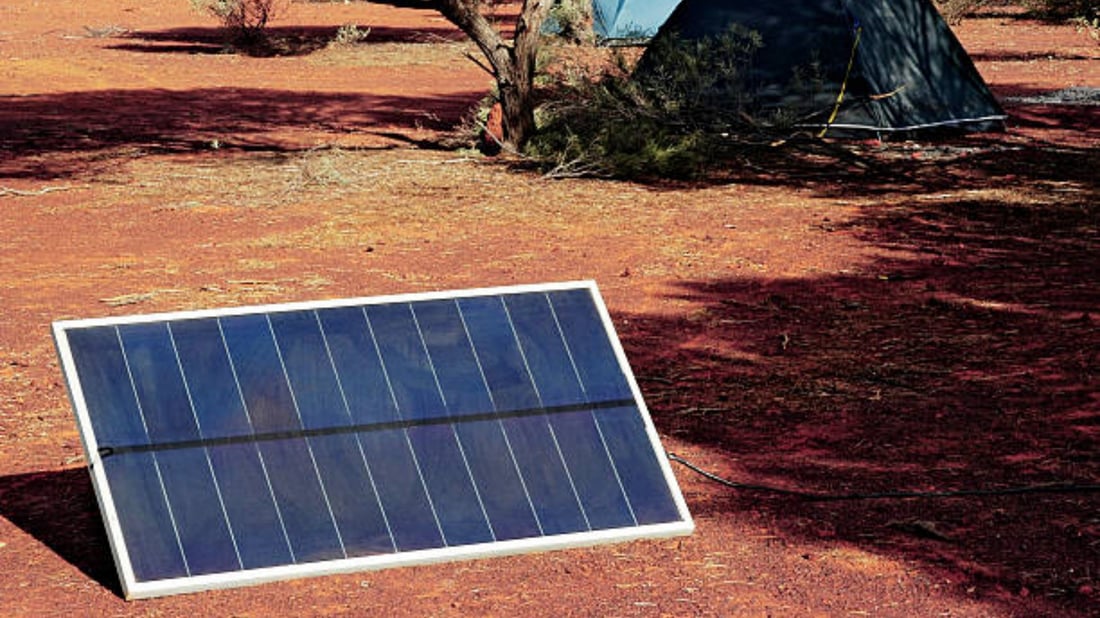
Flexible solar panel 250W units are revolutionizing the renewable energy market by offering a lightweight, adaptable alternative to traditional rigid solar panels. These panels use thin-film solar cells or monocrystalline silicon integrated into a flexible substrate, allowing them to conform to uneven surfaces. The 250-watt capacity ensures they deliver significant power output for various applications, making them a top choice for mobile and off-grid energy solutions.
2. Advantages of Portability and Lightweight Design
One of the standout features of flexible solar panel 250W models is their portability. Unlike conventional glass-covered solar panels, flexible panels typically weigh less and can be rolled or bent without damage. This makes them ideal for camping, boating, and RV use, where mobility and ease of installation are crucial. The reduced weight also simplifies mounting on unconventional surfaces like curved rooftops or boats.
3. Efficiency and Performance Metrics
Despite their thin and bendable nature, flexible solar panel 250W systems maintain respectable efficiency levels, often ranging between 18% and 22%. The use of high-quality monocrystalline cells contributes to sustained power generation under various light conditions. This combination of flexibility and efficiency is a key reason these panels are gaining traction in both residential and commercial sectors.
4. Durability and Weather Resistance
Flexible solar panel 250W products are designed for durability in diverse environmental conditions. Their construction typically incorporates weather-resistant materials such as ETFE or polyimide films that shield the solar cells from moisture, UV radiation, and temperature extremes. This makes flexible panels suitable for outdoor use, even in harsh climates where conventional panels might be more vulnerable.
5. Installation Versatility Across Different Applications
The ability to mount flexible solar panel 250W units on curved or irregular surfaces expands their usability. They can seamlessly fit on the roofs of RVs, boats, tents, and even backpacks. Additionally, their low profile reduces the need for structural reinforcements, simplifying installation and lowering overall project costs. This adaptability is vital in remote or off-grid power setups.
6. Ideal Use Cases: From Outdoor Adventures to Emergency Power
Flexible solar panel 250W units shine in scenarios where portability meets power demand. They are frequently used for outdoor activities such as hiking, camping, and marine excursions, providing reliable energy for lighting, charging devices, and running small appliances. In emergency preparedness, their quick setup and ability to generate power independently from the grid make them invaluable.
7. Integration with Battery Storage Systems
To maximize utility, flexible solar panel 250W arrays are often paired with battery storage solutions. This integration allows users to store excess energy generated during daylight and access it during night or cloudy periods. Lithium-ion and lithium iron phosphate batteries are common companions, creating an efficient, off-grid power system that enhances the reliability of flexible solar technology.
8. Cost Considerations and Return on Investment
While flexible solar panel 250W options may carry a slightly higher upfront cost compared to rigid panels, their installation savings and versatility often justify the investment. Reduced mounting hardware and labor requirements lower total setup expenses. Over time, the return on investment is amplified by the panels’ longevity, minimal maintenance needs, and ability to generate free energy in remote locations.
9. Environmental Impact and Sustainability Benefits
Using flexible solar panel 250W systems contributes to reducing carbon footprints by harnessing clean, renewable sunlight instead of fossil fuels. Their lightweight design also means reduced transportation emissions during shipping compared to heavier traditional panels. Furthermore, manufacturers increasingly adopt recyclable materials and sustainable manufacturing processes to minimize environmental impact.
10. Future Trends and Innovations in Flexible Solar Panels
The field of flexible solar panels continues to evolve rapidly. Emerging technologies aim to boost efficiency, increase durability, and reduce costs even further. Innovations such as bifacial flexible panels and integration with smart power management systems promise enhanced performance. As these advancements unfold, flexible solar panel 250W solutions will continue to broaden their applications and improve accessibility worldwide.
Quote Inquiry
contact us