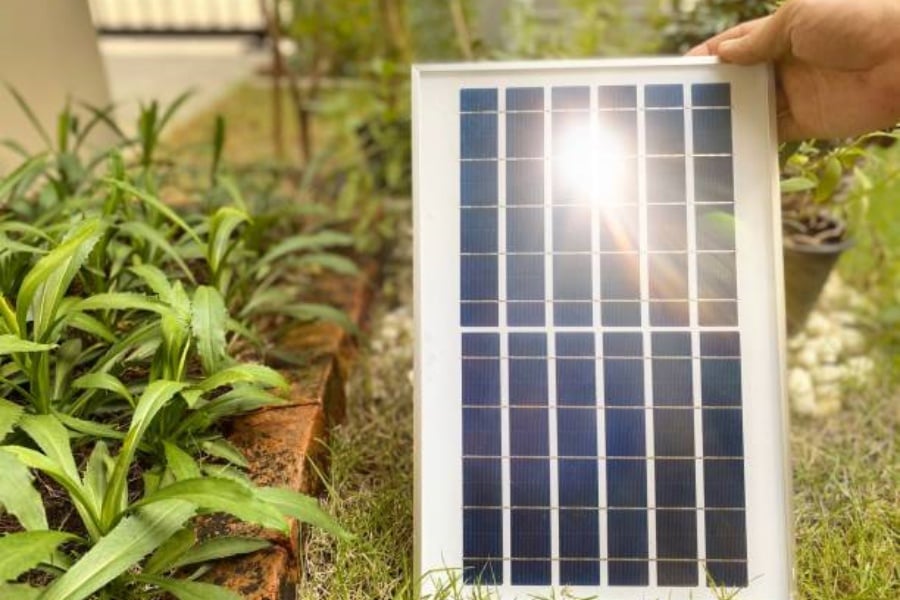
Flexible mono solar panels represent a significant advancement in solar technology by combining monocrystalline silicon cells with flexible substrates. Unlike traditional rigid panels, these panels can bend and conform to various surfaces without compromising efficiency. Their lightweight and adaptability make them particularly suitable for unconventional installations where flexibility is paramount.
High Efficiency of Monocrystalline Cells
Monocrystalline solar cells are renowned for their high efficiency compared to polycrystalline or thin-film counterparts. Flexible mono solar panels harness this efficiency advantage, typically yielding conversion rates of 18-22%, making them a top choice for those requiring maximum power output in limited space. This efficiency directly impacts energy generation, allowing users to meet higher power needs using smaller panel areas.
Lightweight and Portable Nature
The flexible mono solar panel owes much of its appeal to its lightweight and portable design. Weighing significantly less than traditional panels, these flexible units are easier to transport and install, especially for mobile applications like camping, RVs, boats, and emergency power supplies. Their portability expands solar usage possibilities beyond fixed residential or commercial installations.
Durability and Weather Resistance
Built to withstand diverse environmental conditions, flexible mono solar panels feature durable encapsulation materials that protect the sensitive solar cells from moisture, dust, and mechanical stresses. Many models boast water resistance and UV protection, ensuring long-term reliability and sustained performance even in harsh outdoor environments.
Installation Versatility on Various Surfaces
The flexible nature of these panels allows them to be mounted on curved, uneven, or irregular surfaces, such as vehicle roofs, tents, and boats. This installation versatility expands potential applications that traditional panels cannot accommodate, enabling solar power deployment in unique scenarios and innovative architectural designs.
Cost Considerations and Economic Benefits
While flexible mono solar panels may carry a premium price compared to standard rigid panels initially, their benefits often translate to cost savings in the long run. Reduced installation expenses, minimized structural support requirements, and energy savings contribute to overall economic efficiency. Additionally, their durability reduces maintenance and replacement costs.
Application in Portable and Off-Grid Systems
Flexible mono solar panels are especially popular in off-grid and portable solar energy systems. Their lightweight and bendable characteristics make them ideal for powering remote cabins, outdoor equipment, and emergency backup systems. Users can generate renewable energy easily wherever direct sunlight is available.
Environmental Impact and Sustainability
By enabling wider adoption of solar energy in diverse applications, flexible mono solar panels contribute positively to environmental sustainability. They facilitate clean energy generation, reducing reliance on fossil fuels and lowering greenhouse gas emissions. Their lightweight design also means fewer materials and less energy consumption during manufacturing and transportation.
Technological Innovations Enhancing Performance
Continuous research and development have led to improvements in flexible mono solar panel technology, such as enhanced cell encapsulation, better heat dissipation, and increased bend tolerance. These innovations extend panel lifespan, optimize power output under various lighting conditions, and improve overall user experience.
Future Prospects and Market Growth
The demand for flexible mono solar panels is expected to grow due to increasing interest in portable solar solutions, electric vehicles, and smart homes. Advancements in materials and manufacturing processes will further reduce costs and improve efficiency, broadening market adoption globally. Their role in supporting sustainable energy infrastructures is increasingly prominent.
Quote Inquiry
contact us