
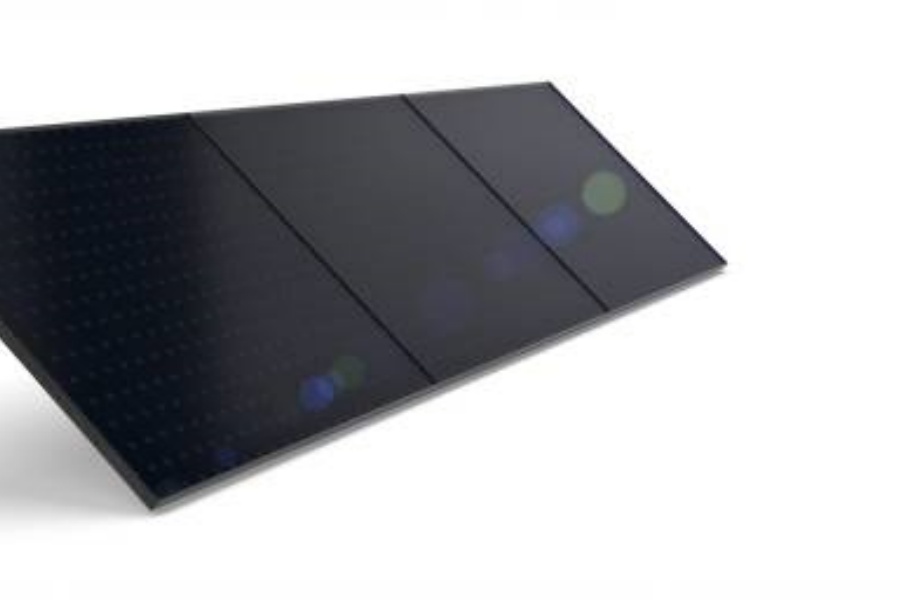
Understanding the Basics of Light Solar Panel Charging
Light solar panel charging relies on converting sunlight into electrical energy through photovoltaic cells. Knowing how light intensity affects charging efficiency is crucial. A clear understanding of how light panels operate can help users optimize their charging process and ensure devices powered by solar energy receive adequate and consistent power.
Positioning Your Light Solar Panel for Maximum Exposure
Correct placement of light solar panels drastically improves charging efficiency. Panels should face the sun directly, ideally tilted at an angle corresponding to your geographic location. Avoiding shade and obstacles that can block sunlight ensures uninterrupted charging and maximizes the energy harnessed from available light.
Choosing the Right Light Solar Panel for Your Needs
Not all solar panels are created equal. Lightweight panels designed for portability often differ in power output. Selecting a panel with adequate wattage for your specific device or application is essential. Investing in panels with higher efficiency ratings can provide better charging speeds, especially in variable weather conditions.
Maintenance and Cleaning for Optimal Performance
Dust, dirt, and debris accumulation on the surface of light solar panels reduce their ability to absorb sunlight effectively. Regular cleaning with a soft cloth and mild detergent ensures panels operate at full capacity. Maintenance routines prevent performance degradation over time, preserving energy output and prolonging panel lifespan.
Understanding the Impact of Weather on Charging Efficiency
Weather conditions such as cloud cover, rain, and fog significantly influence light solar panel charging. Panels under diffused sunlight produce less energy compared to full sun exposure. Planning charging sessions during peak sunlight hours and accounting for local weather patterns helps maintain consistent power levels.
Utilizing Light Solar Panel Battery Storage Solutions
Incorporating battery storage systems enables the capture and retention of energy generated by light solar panels. This approach ensures power availability even when sunlight is insufficient. Selecting compatible and efficient batteries supports a continuous power supply for devices dependent on solar charging.
Optimizing Device Usage to Complement Solar Charging
Managing the power consumption of devices charged by light solar panels enhances overall charging efficiency. Utilizing energy-saving settings and limiting usage during low light conditions reduce battery drain. This strategy prolongs the operational duration of devices between charges.
Harnessing Portable and Foldable Light Solar Panels for Convenience
Portable and foldable solar panels offer flexibility for outdoor enthusiasts and travelers. Their lightweight design facilitates easy transport without sacrificing charging capabilities. Employing these panels strategically during outdoor activities ensures reliable power supply wherever sunlight is accessible.
Integrating Solar Charge Controllers for Safety and Efficiency
Solar charge controllers regulate the voltage and current coming from light solar panels to prevent battery overcharging and damage. Installing an appropriate charge controller not only safeguards your equipment but also enhances charging efficiency by optimizing the electrical flow during the charging process.
Future Trends and Innovations in Light Solar Panel Charging
Technological advances continue to improve light solar panel charging systems. Innovations such as higher-efficiency photovoltaic materials, integrated smart monitoring, and enhanced portability are making solar charging more accessible and effective. Staying informed about these trends allows users to leverage cutting-edge features for improved energy management.