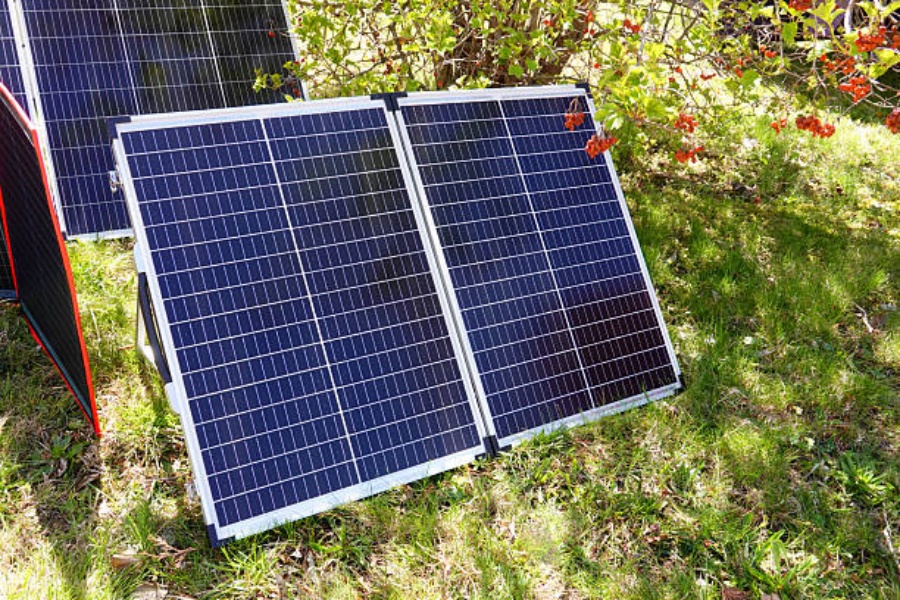
Light solar panel durability test is essential for evaluating the long-term reliability of solar panels under various environmental conditions. This test ensures that the panels maintain their functionality, efficiency, and structural integrity when exposed to light-weight materials and lightweight mounting systems. The goal is to certify that these panels perform optimally while facing stresses from normal usage and weather fluctuations.
Importance of Durability Testing in Light Solar Panels
Durability testing provides vital data on how light solar panels withstand environmental factors such as UV radiation, temperature changes, moisture, and mechanical stress. These factors can degrade solar cells over time, reducing output efficiency. Conducting a thorough light solar panel durability test allows manufacturers to predict performance lifespan and guarantee quality for end users.
Types of Durability Tests for Light Solar Panels
Various durability tests are used to assess light solar panels, including thermal cycling, humidity freeze tests, mechanical load testing, and UV exposure trials. These tests simulate real-world conditions to determine the panels’ ability to resist cracking, delamination, and efficiency loss. Each test targets specific vulnerabilities in solar panel construction, ensuring comprehensive durability assessment.
Thermal Cycling Impact on Light Solar Panel Durability
Thermal cycling testing evaluates how light solar panels cope with temperature fluctuations between high and low extremes. These cycles mimic day-night temperature changes and seasonal variations. Thermal expansion and contraction can cause micro-cracks or material fatigue in panels, which this durability test aims to identify early to prevent premature failure.
Humidity and Moisture Exposure Effects
Humidity freeze tests simulate moisture accumulation and subsequent freezing, which can cause delamination or corrosion. Light solar panels must endure these harsh conditions without performance degradation. The test ensures that encapsulation materials and seals retain their waterproof quality, a crucial factor in outdoor solar panel durability.
Mechanical Load Testing for Wind and Snow Resistance
Mechanical load testing subjects light solar panels to simulated wind pressures and snow loads to verify structural integrity. This durability test confirms that lightweight panels can sustain heavy winds and snow accumulation without bending or breaking. This is particularly important for large installations in regions with harsh weather.
UV Radiation Exposure Analysis
Prolonged ultraviolet (UV) radiation can cause discoloration, brittleness, and performance loss in solar panels. The light solar panel durability test includes UV exposure to simulate long-term sun exposure. This evaluation helps manufacturers choose UV-resistant materials and coatings to extend panel lifespan.
Evaluating Material Quality in Light Solar Panels
The durability of light solar panels is closely tied to the material quality used in their manufacturing. Testing includes analyzing the resilience of polymers, glass, and the photovoltaic cells themselves. High-quality materials ensure that the panel sustains mechanical and environmental stress while maintaining energy conversion efficiency.
Accelerated Aging Tests for Predictive Durability
Accelerated aging tests speed up the degradation process by exposing light solar panels to intensified environmental conditions. This method offers rapid insight into the panel's expected lifespan and performance decay patterns. These test results are crucial for warranty determination and performance guarantees.
Industry Standards and Certification in Durability Testing
Light solar panel durability tests are conducted based on recognized industry standards such as IEC 61215 and UL 1703. These standards define test parameters and acceptance criteria to ensure consistency and reliability. Certification under these guidelines is essential for market acceptance and consumer trust.
Future Trends in Light Solar Panel Durability Testing
Emerging trends in light solar panel durability tests include integrating digital monitoring and IoT sensors for real-time durability assessment. Advances in materials science also lead to more resilient lightweight panels. Continuous improvement in testing methodologies will enhance the accuracy and relevance of durability data for future solar technologies.
Quote Inquiry
contact us