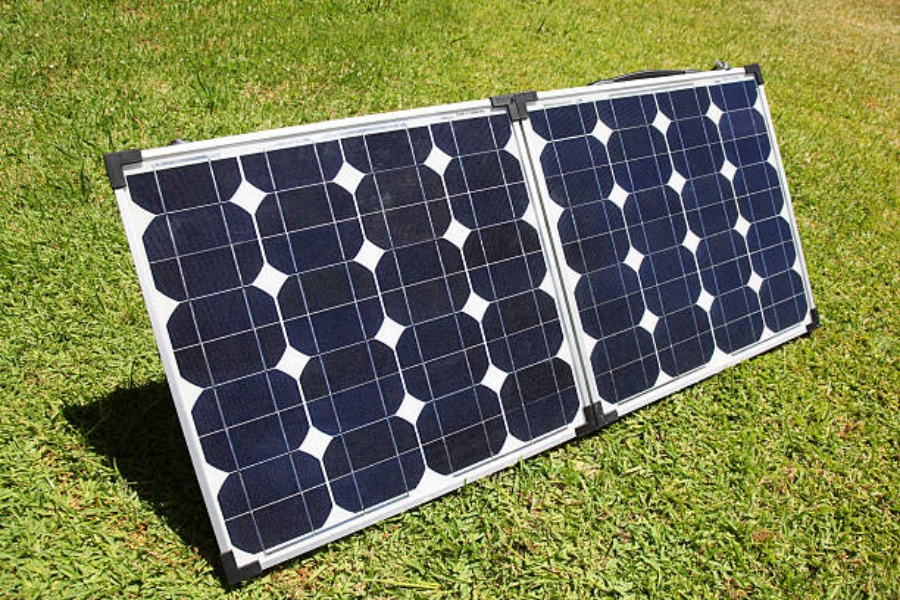
160W folding solar panels have become a popular solution for portable power generation, thanks to their balance of power output and compact design. Understanding the efficiency of these panels is crucial for users aiming to maximize energy harvesting while maintaining portability. Efficiency in a 160W folding solar panel refers to how effectively the solar cells convert sunlight into usable electrical energy, impacting overall performance and reliability.
Factors Influencing 160W Folding Solar Panel Efficiency
Several factors affect the efficiency of a 160W folding solar panel, including the quality of photovoltaic cells, panel construction, shading, temperature, and angle of sunlight. High-grade monocrystalline cells typically offer better efficiency than polycrystalline counterparts. The folding design must also maintain minimal energy loss during connections between panel segments.
Impact of Solar Cell Technology on Efficiency
The type of solar cells used directly influences 160W folding solar panel efficiency. Monocrystalline cells are known for higher efficiency rates—often reaching over 20%—compared to polycrystalline cells, which usually range between 15-17%. Innovative cell architectures, such as bifacial or PERC (Passivated Emitter Rear Cell), further boost energy conversion, making them ideal for portable applications.
Role of Panel Design in Efficiency Optimization
The folding mechanism of a 160W panel introduces unique design challenges. Efficient wiring and minimal connection losses are critical to maintaining performance. Quality hinges, durable materials, and weatherproofing contribute to consistent efficiency by protecting the cells from physical damage and environmental degradation over time.
Environmental Conditions Affecting Efficiency
Environmental factors play a significant role in the real-world efficiency of 160W folding solar panels. Temperature inversely affects panel output, where higher heat reduces efficiency. Likewise, dust, dirt, and shading can block sunlight and decrease overall energy yield. Proper maintenance and optimal placement are essential to preserving high efficiency.
Energy Output and Conversion Rates
The total energy output of a 160W folding solar panel depends largely on its efficiency rating. For instance, a panel with 20% efficiency converts 20% of the sunlight it receives into electrical energy. Understanding this conversion rate helps users estimate daily power production and determine if the panel meets their energy needs for charging devices or running small appliances.
Comparing 160W Folding Solar Panel Efficiency to Other Wattages
When compared to other folding solar panels with different wattages, the 160W variant strikes a balance between portability and efficiency. Lower wattage panels often suffer from reduced efficiency due to fewer cells or smaller surface areas, while higher wattage panels tend to be bulkier and less portable. The 160W option offers a practical middle ground for outdoor enthusiasts and emergency preparedness.
Technological Advancements Enhancing Efficiency
Recent advancements in solar technology have improved 160W folding solar panel efficiency significantly. Innovations in thin-film coatings, anti-reflective surfaces, and lightweight materials contribute to higher energy retention and easier transport. These improvements allow users to carry compact panels without sacrificing performance.
Maintenance Practices to Preserve Efficiency
Maintaining a 160W folding solar panel is essential for sustained efficiency. Routine cleaning to remove dust and debris, checking hinge integrity, and avoiding prolonged exposure to extreme conditions ensure that the panel operates near peak efficiency over its lifespan. Proper storage during non-use periods also prevents damage that could degrade efficiency.
Practical Applications Influenced by Panel Efficiency
The efficiency of a 160W folding solar panel directly affects its practical applications, such as camping, RV travel, boating, or emergency backup power. Higher efficiency enables quicker charging times and supports a broader range of electronic devices. Efficient panels expand the usability scope, making them indispensable tools for off-grid and mobile power needs.
Quote Inquiry
contact us