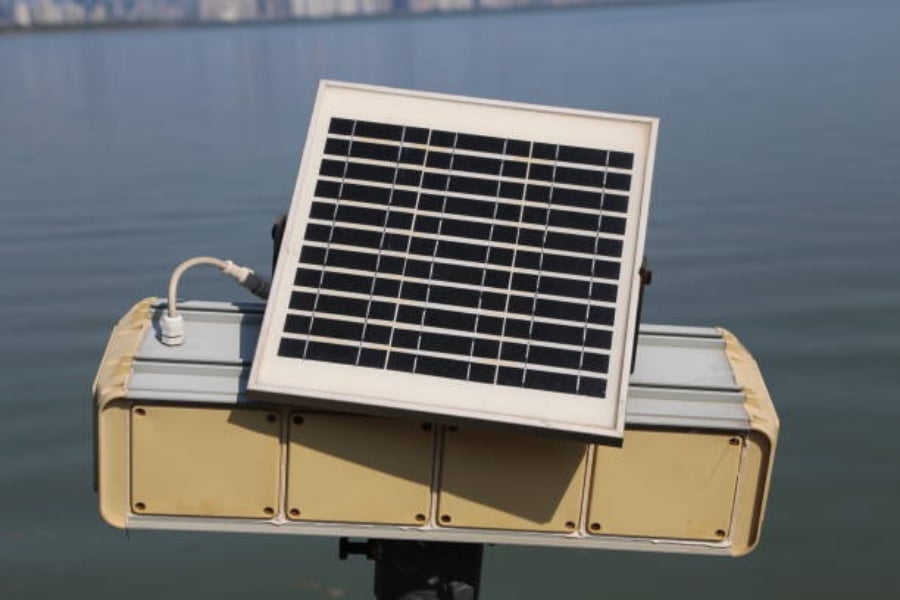
Mono solar panels, also known as monocrystalline solar panels, are a type of photovoltaic (PV) technology made from a single continuous crystal structure. This pure crystalline form enables them to convert sunlight more efficiently compared to other solar panel types. They are characterized by their uniform dark color and rounded edges, distinguishing them visually from polycrystalline panels. This inherent design makes mono solar panels a popular choice for both residential and commercial solar energy systems.
Superior Efficiency of Mono Solar Panels
One of the defining features of mono solar panels is their high efficiency rate, often ranging between 15% to 22%. This means they can generate more electricity per square foot than their polycrystalline or thin-film counterparts. The high purity of silicon used in mono solar panels reduces electron recombination, allowing for better energy conversion. This efficiency makes them ideal for installations where space is limited but maximum power generation is desired.
Durability and Longevity Advantage
Mono solar panels are known for their robust durability and long lifespan, typically lasting 25 to 30 years or more with minimal degradation. Their solid crystal structure contributes to enhanced strength, making them resistant to harsh weather conditions including heavy snow, hail, and high winds. This reliability ensures a stable energy output over extended periods, justifying the initial investment in mono solar panel systems.
Cost Considerations and Return on Investment
Though mono solar panels tend to be priced higher than polycrystalline models, their superior efficiency often results in better long-term financial returns. The higher upfront cost is offset by increased energy production, reducing electricity bills more quickly. Additionally, many regions provide tax incentives and rebates specifically for renewable energy installations that include mono solar panels, improving overall affordability.
Ideal Use Cases for Mono Solar Panels
Mono solar panels are particularly well-suited for residential rooftops, commercial buildings, and solar farms where space optimization is critical. Their high efficiency allows for maximum energy generation in smaller areas, a clear benefit for urban environments or locations with limited roof surface. Furthermore, they are favored in off-grid systems where dependable power supply is essential.
Environmental Benefits of Mono Solar Panels
Utilizing mono solar panels contributes substantially to reducing carbon footprints and dependence on fossil fuels. By harnessing clean, renewable energy, these panels help decrease greenhouse gas emissions and air pollution. Their longer lifespan also means fewer panels need replacement over time, reducing manufacturing waste and environmental impact associated with solar panel production.
Technological Innovations Boosting Mono Solar Panels
Recent advancements in mono solar panel technology have improved performance and reduced costs. Innovations such as PERC (Passivated Emitter Rear Cell) technology and bifacial designs enhance light absorption and energy output. These innovations make mono solar panels increasingly competitive, opening new opportunities for integration in diverse energy projects and architectural designs.
Installation and Maintenance of Mono Solar Panels
Installing mono solar panels requires professional expertise to optimize panel orientation and tilt for maximum sun exposure. Maintenance is generally minimal, including periodic cleaning to prevent dust or debris buildup that can reduce efficiency. With proper installation and upkeep, mono solar panels maintain optimal performance and energy generation throughout their operational lifespan.
Comparison with Other Solar Panel Types
Compared to polycrystalline and thin-film solar panels, mono solar panels consistently offer higher efficiency and durability. Polycrystalline panels generally have lower efficiency and a less uniform appearance, while thin-film panels, though lightweight and flexible, tend to degrade faster and generate less power. When performance and longevity are priorities, mono solar panels remain the preferred option.
Future Trends and Market Outlook for Mono Solar Panels
The global demand for mono solar panels continues to grow rapidly as renewable energy adapts to climate change goals and energy independence efforts. Enhanced manufacturing techniques and material sciences promise even higher efficiencies and reduced costs. As smart grid integration and energy storage technologies evolve, mono solar panels will play an increasingly pivotal role in sustainable energy ecosystems worldwide.
Quote Inquiry
contact us