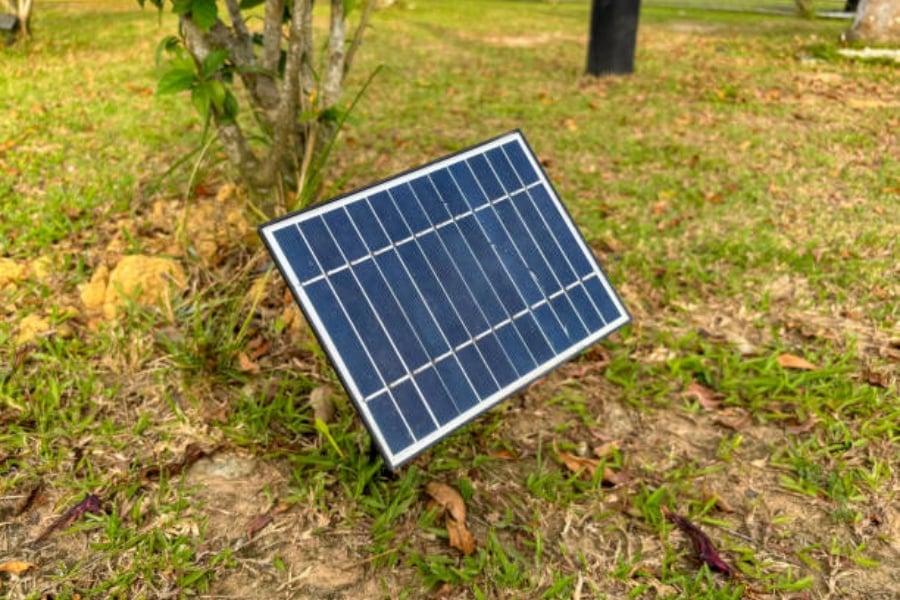
A 250W mono solar panel is a photovoltaic module designed to convert sunlight into electrical energy, with a power output of 250 watts. Made from monocrystalline silicon, these panels are known for their efficiency and durability. The “mono” in the name refers to the single crystal structure used in the cells, which allows for higher purity and thus better energy conversion rates compared to polycrystalline variants.
Efficiency Advantages of 250W Mono Solar Panels
Mono solar panels, including the 250W type, typically offer higher efficiency ratings, often ranging between 18% to 22%. This increased efficiency results from the uniform crystal structure, which reduces electrical resistance and enables better photon absorption. As a result, 250W mono solar panels can generate more electricity even in limited spaces, making them ideal for residential or commercial rooftops.
Durability and Longevity of 250W Mono Solar Panels
Constructed with robust monocrystalline cells and tempered glass, 250W mono solar panels are built to withstand harsh environmental conditions. They often come with warranties extending 25 years or more, indicating their long lifespan. Their durability ensures consistent performance over time, even under extreme weather such as high winds, hail, or heavy snowfall.
Ideal Applications for 250W Mono Solar Panels
The 250W mono solar panel suits various applications, from off-grid solar systems to grid-tied residential setups. Its moderate wattage makes it a versatile choice for homeowners looking to optimize space without compromising energy output. Additionally, these panels fit well with small-scale commercial projects, RV solar power systems, and remote communication stations.
Installation and Space Considerations
Thanks to their high efficiency and moderate size, 250W mono solar panels require less surface area compared to lower wattage models to produce the same amount of energy. Their compactness facilitates easier installation on limited rooftop space and unconventional locations. Proper placement and orientation maximize energy harvesting, enhancing overall solar system performance.
Cost-Effectiveness and Return on Investment
While 250W mono solar panels tend to have a slightly higher upfront cost than polycrystalline alternatives, their superior efficiency and longer lifespan translate into better long-term value. The energy savings and reduced maintenance costs contribute to quicker payback periods. In many cases, investing in 250W mono solar panels results in higher overall returns on renewable energy systems.
Environmental Impact and Sustainability Factors
Choosing a 250W mono solar panel promotes clean energy generation by harnessing renewable sunlight and reducing dependence on fossil fuels. Their production involves mono silicon, which is energy-intensive but balanced over the panel’s operational life by significant carbon offset. Using these panels supports sustainable energy initiatives while minimizing ecological footprints.
Compatibility with Solar Inverters and Batteries
250W mono solar panels are compatible with a wide range of solar charge controllers, inverters, and battery storage solutions. Their standard output voltage and current parameters allow seamless integration into residential or off-grid systems. Optimizing this compatibility ensures efficient power conversion and stable energy management for various solar power setups.
Performance in Diverse Weather Conditions
One notable benefit of 250W mono solar panels is their ability to perform efficiently under low-light and partial shading conditions. Monocrystalline cells maintain better voltage stability compared to other panel types, mitigating power loss during cloudy days or mornings and evenings. This reliability enhances overall energy yield, making them a dependable choice for varied climates.
Future Trends and Innovations in 250W Mono Solar Technology
Advancements in photovoltaic materials and manufacturing are continuously improving the performance of 250W mono solar panels. Emerging technologies focus on increasing cell efficiency, reducing weight, and enhancing aesthetic options such as black-backsheet and frameless designs. Staying updated on these trends can help consumers and businesses make better-informed solar investments.
Quote Inquiry
contact us